The Day Lehman Fell
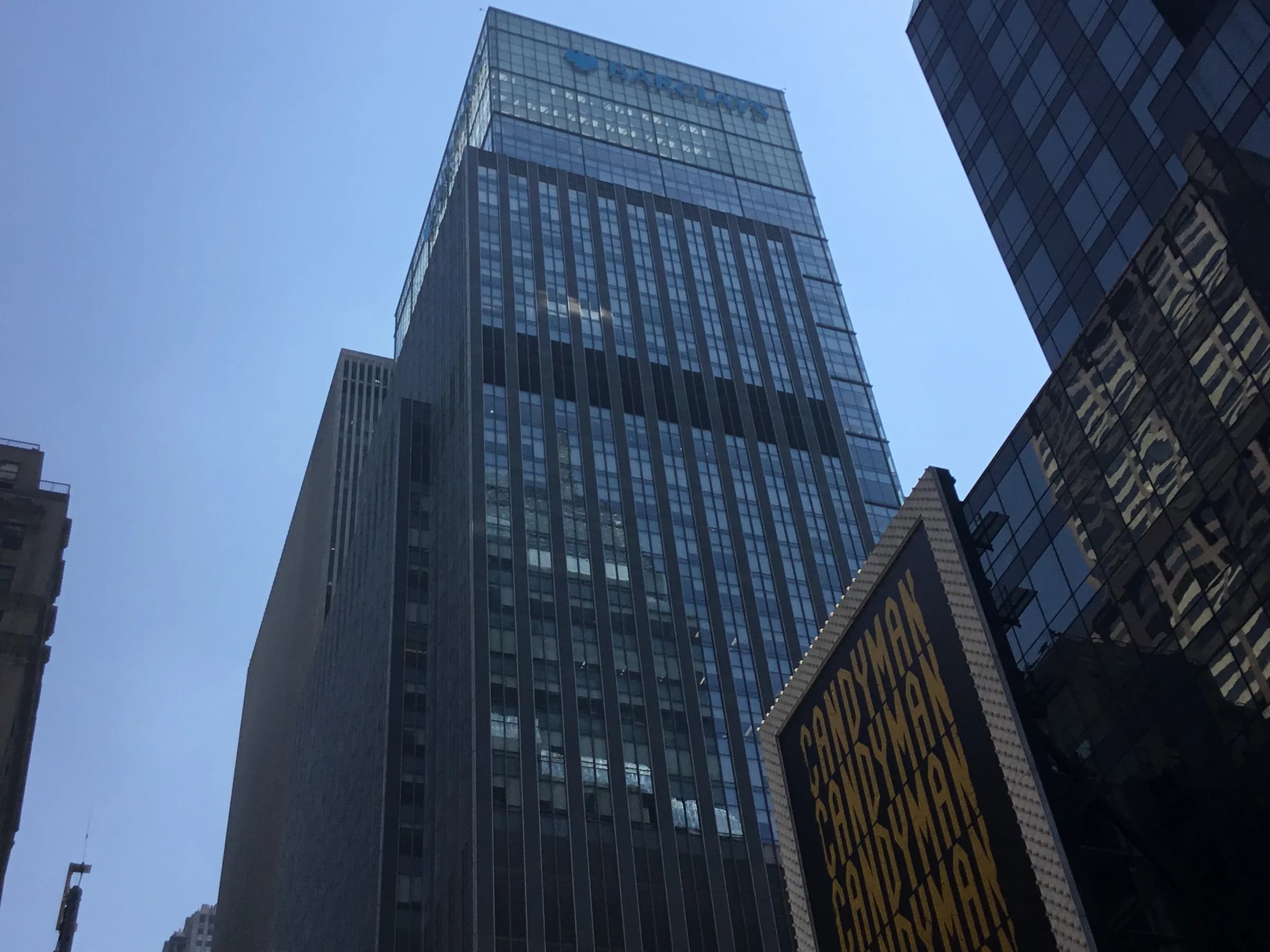
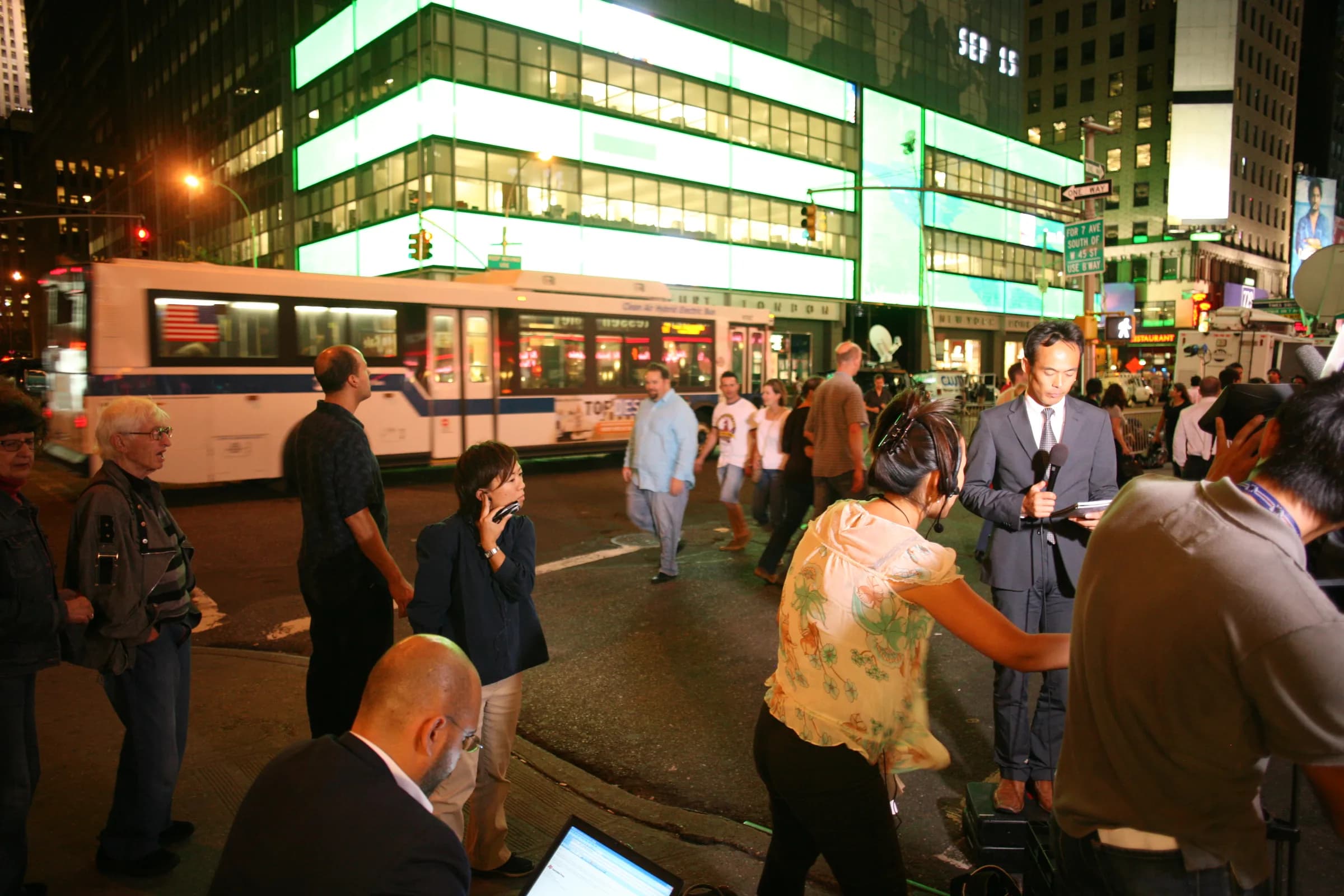
On the morning of 15 September 2008, Lehman Brothers, the fourth-largest investment bank in the United States, filed for bankruptcy. It was the largest bankruptcy in American history, with about 639 billion dollars in assets. Employees left the bank's New York headquarters carrying boxes, and stock markets around the world fell as the news spread.
The failure was the climax of a crisis that had been building for more than a year, but it still shocked the financial world. Lehman was 158 years old, and until that weekend most people in the markets had assumed the government would rescue it, as it had rescued the investment bank Bear Stearns six months earlier. Instead, the Treasury Secretary, Hank Paulson, declined to provide public money, and no buyer could be found in time.
The next day the government lent 85 billion dollars to rescue the insurer AIG, which had sold protection on the same mortgage securities that had destroyed Lehman. A week later Washington Mutual, a large savings bank, was seized in the largest bank failure in American history. Lending between banks, the daily business on which the whole system depends, froze almost completely.
Within weeks, the crisis had become a recession that would last eighteen months and cost about nine million American jobs. The question that followed — how a housing boom in the United States could bring the world's financial system to the edge of collapse — took a formal inquiry, the Financial Crisis Inquiry Commission, two years to answer. Its first conclusion was blunt: the crisis was avoidable.
The Boom That Came Before
The story begins with houses. Between 1998 and 2006, average American home prices more than doubled, according to the Federal Reserve's own history of the period. Home ownership rose from 64 percent of households in 1994 to 69 percent in 2005, and residential investment grew from 4.5 percent to 6.5 percent of the economy.
After the dot-com bust, the Federal Reserve cut interest rates to 1 percent, and mortgages became cheap. Lenders competed hard for business, and more and more of that business was subprime: loans to borrowers with weak credit, often with a low teaser rate that rose sharply after two or three years. Many loans required no proof of income at all. The assumption behind them was simple: as long as house prices kept rising, a struggling borrower could always sell the house or refinance the loan.
In early 2007 the assumption failed. As interest rates rose from 2004 to 2006, the cost of mortgages rose and demand for housing fell. Subprime borrowers began defaulting in large numbers, lenders went bankrupt — New Century Financial, a large subprime lender, failed in April 2007 — and the value of securities tied to American real estate began to fall. By August 2007 the contagion had spread to global credit markets, and central banks began injecting liquidity to keep them working.
Through 2008 the damage spread from mortgages to the institutions that held them. In March, the investment bank Bear Stearns was bought by JPMorgan Chase with help from the Federal Reserve. In September the government seized Fannie Mae and Freddie Mac, the two companies that together owned or guaranteed half of the American housing market. A week later Lehman fell, and the crisis that had begun in the housing market became a crisis of the whole financial system.
The People Who Built — and Missed — the Risk
The borrowers were the first to pay. Millions of families who had taken subprime loans lost their homes when the teaser rates rose and the value of their houses fell below what they owed. They were not, for the most part, speculators.
Many had been sold loans they could not afford by lenders who were paid for volume, not for whether the loan was repaid. The lenders, in turn, sold the loans within weeks to Wall Street banks, and so had little reason to check them.
The bankers who bought the loans believed their own models. Lehman's chief executive, Richard Fuld, had built the bank's business around mortgage securities, and the firm was heavily exposed to them when the market turned. The five big investment banks had borrowed as much as forty dollars for every dollar of their own capital, according to the Financial Crisis Inquiry Commission, so a modest fall in the value of their assets could wipe them out.
The officials in charge faced a choice they had not prepared for. Treasury Secretary Hank Paulson, who had spent the days before the filing trying to find a buyer for Lehman, decided that the government would not rescue it, and the decision is still debated. The Federal Reserve, which had cut rates and lent on a scale never seen before, moved the next day to save AIG. The inconsistency of the response — rescue for one firm, failure for another — added to the panic, a point the official inquiry made explicitly.
A System Built on Borrowed Money
The mechanism that turned bad mortgages into a global crisis was securitisation. Banks pooled thousands of mortgages into bonds, sliced the bonds into layers by risk, and sold them to investors around the world. Credit rating agencies gave many of those layers their top rating, AAA, even though the underlying loans were high-risk. The securities could not have been marketed without those ratings, the inquiry concluded, and the failures of the rating agencies were essential to the destruction.
Much of the risk sat outside ordinary banks, in investment banks, mortgage companies, and insurers that no single regulator oversaw as a whole. These firms borrowed heavily in short-term markets, in some cases overnight, to fund long-term holdings of mortgage securities. When lenders lost confidence in the value of those securities, the short-term funding vanished in days. A firm that could not borrow overnight could not survive the week, however sound its long-term assets might have been.
The Rescue and the Recession
The rescue was enormous. On 3 October 2008 Congress authorised 700 billion dollars for the Troubled Asset Relief Program, which put capital into banks, rescued AIG and the carmakers, and helped homeowners. The Federal Reserve cut its policy rate to between zero and 0.25 percent in December 2008 and began buying large amounts of mortgage-backed securities and Treasury bonds. Governments around the world guaranteed bank debts and money market funds to stop the runs.
The recession was the deepest since the 1930s. The American economy shrank 4.3 percent from peak to trough, and employment fell from 138 million in January 2008 to 129 million in February 2010. Unemployment reached 10 percent in October 2009, and the number of jobs did not return to its pre-crisis peak until May 2014. Household net worth fell by nearly 13 trillion dollars, about a fifth of its value, and house prices fell nearly 30 percent on average.
What Changed, and What Did Not
The inquiry's central finding was that the crisis was the result of human action and inaction, not of forces beyond anyone's control. Widespread failures in financial regulation, dramatic failures of corporate governance and risk management, excessive borrowing by households and Wall Street, and a systemic breakdown in accountability and ethics all played a part.
The rules were rewritten. The Dodd-Frank Act, signed on 21 July 2010, created a Consumer Financial Protection Bureau to police mortgages and other loans, and a council to watch for risks across the whole financial system. Banks were required to hold more capital, and the largest firms came under closer supervision. The bailout money itself was eventually recovered by the government, with interest, by January 2018, but the recovery of the money did not restore the homes, the jobs, or the savings that had been lost.
The crisis is still the reference point for debates about financial regulation. It showed that a housing market in one country could, through securitisation and leverage, become a threat to the world economy, and that the firms at the centre of the system could be both too large to fail and too interconnected to save cleanly. The lesson the inquiry drew was not that crises can be abolished. It was that this one, in particular, need not have happened.